From Screen to Street

 0
0 0
0Riya
Cinema has long been more than a form of entertainment; it is a mirror to society, a stage for dreams, and, often, a powerful trendsetter in the world of fashion. From the sugary pink aesthetic of 2023's Barbie to the timeless elegance of Audrey Hepburn in Breakfast at Tiffany's, movies have not only showcased iconic styles but have actively shaped what we wear, how we express ourselves, and even how designers conceptualize future collections.
When Margot Robbie stepped out as Barbie in a whirlwind of pastel pinks and retro silhouettes, the world took notice. Barbiecore became a cultural phenomenon overnight. Runways turned rosy, fast fashion exploded with hot pink hues, and nostalgic 90s styles reemerged with a modern twist. The phenomenon wasn’t confined to dolls; it was fashion responding to fantasy. Barbie didn't just wear pink, she redefined it.
Rewind six decades and you find a similar cultural ripple effect caused by Audrey Hepburn's portrayal of Holly Golightly. Her black Givenchy dress, paired with pearls and oversized sunglasses, remains a masterclass in understated glamour. It didn't just influence wardrobes; it redefined elegance for generations.
Closer to home, Nivin Pauly’s portrayal of George in Premam gave rise to a style revolution in Kerala. His simple black shirt and white mundu combination became a trendsetter, embraced by young fans across the state and beyond. It proved that minimalism, when wrapped in charisma, can become a fashion statement. And we can't forget the global impact of television. Rachel Green from Friends became a fashion muse throughout the ’90s and early 2000s. Her chic ensembles, from plaid mini skirts to slip dresses, have left a legacy so strong, they’re still being emulated by fashion lovers today.
Costume design is more than dressing characters. It communicates mood, personality, and narrative. Consider Cher Horowitz from Clueless, whose preppy plaids and knee-high socks captured the youthful exuberance of the 90s and went on to become a fashion blueprint for Gen Z decades later. Or think of The Matrix, which ushered in a wave of black leather trench coats and cyberpunk aesthetics that still inspire streetwear and runway alike. Even films set in fantastical worlds, like Black Panther, blend cultural heritage with futuristic design to create looks that transcend their narrative purpose. Designers like Ruth E. Carter aren’t just costumers, they are architects of cultural influence.
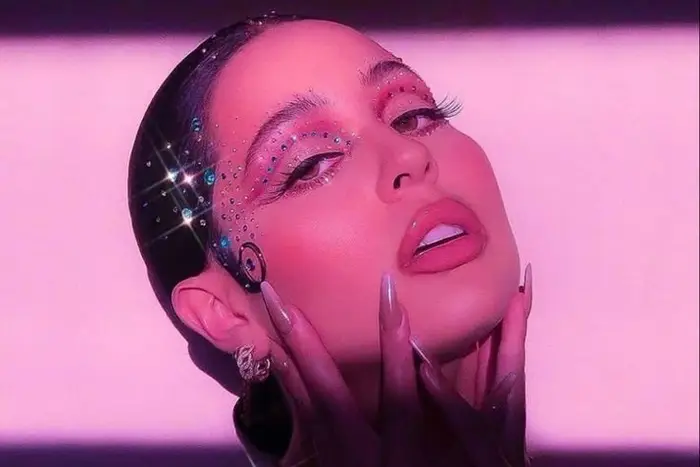
Some movies don't just reflect current trends; they create them. Annie Hall brought menswear into the female wardrobe. The Devil Wears Prada turned every viewer into a temporary fashion critic, with Meryl Streep’s icy Miranda Priestly becoming a symbol of high-fashion authority. More recently, shows like Euphoria are influencing makeup and fashion choices with every episode, blurring the lines between screen and street style.
Whether it's George’s black-and-white simplicity or Barbie’s bubblegum fantasy, the screen has always been a launchpad for style revolutions. These aren’t just costumes, they’re cultural cues.
Fashion designers frequently collaborate with filmmakers, understanding the medium’s immense power, Prada outfitting sci-fi realms, or Gucci's partnerships with Ridley Scott are examples of cinema and fashion interlacing to elevate both industries. Designers often reference classic film moments in new collections, keeping the loop between screen and runway ever alive.
Movies aren't just escape; they're inspiration. Whether it's the calculated glamour of old Hollywood or the futuristic flair of contemporary cinema, the clothes worn on screen often find a second life in our closets. From Barbie's candy-colored world to Holly Golightly's little black dress, the silver screen continues to be fashion's most influential runway.
From Screen to Street
00Riya
Cinema has long been more than a form of entertainment; it is a mirror to society, a stage for dreams, and, often, a powerful trendsetter in the world of fashion. From the sugary pink aesthetic of 2023's Barbie to the timeless elegance of Audrey Hepburn in Breakfast at Tiffany's, movies have not only showcased iconic styles but have actively shaped what we wear, how we express ourselves, and even how designers conceptualize future collections.
When Margot Robbie stepped out as Barbie in a whirlwind of pastel pinks and retro silhouettes, the world took notice. Barbiecore became a cultural phenomenon overnight. Runways turned rosy, fast fashion exploded with hot pink hues, and nostalgic 90s styles reemerged with a modern twist. The phenomenon wasn’t confined to dolls; it was fashion responding to fantasy. Barbie didn't just wear pink, she redefined it.
Rewind six decades and you find a similar cultural ripple effect caused by Audrey Hepburn's portrayal of Holly Golightly. Her black Givenchy dress, paired with pearls and oversized sunglasses, remains a masterclass in understated glamour. It didn't just influence wardrobes; it redefined elegance for generations.
Closer to home, Nivin Pauly’s portrayal of George in Premam gave rise to a style revolution in Kerala. His simple black shirt and white mundu combination became a trendsetter, embraced by young fans across the state and beyond. It proved that minimalism, when wrapped in charisma, can become a fashion statement. And we can't forget the global impact of television. Rachel Green from Friends became a fashion muse throughout the ’90s and early 2000s. Her chic ensembles, from plaid mini skirts to slip dresses, have left a legacy so strong, they’re still being emulated by fashion lovers today.
Costume design is more than dressing characters. It communicates mood, personality, and narrative. Consider Cher Horowitz from Clueless, whose preppy plaids and knee-high socks captured the youthful exuberance of the 90s and went on to become a fashion blueprint for Gen Z decades later. Or think of The Matrix, which ushered in a wave of black leather trench coats and cyberpunk aesthetics that still inspire streetwear and runway alike. Even films set in fantastical worlds, like Black Panther, blend cultural heritage with futuristic design to create looks that transcend their narrative purpose. Designers like Ruth E. Carter aren’t just costumers, they are architects of cultural influence.
Some movies don't just reflect current trends; they create them. Annie Hall brought menswear into the female wardrobe. The Devil Wears Prada turned every viewer into a temporary fashion critic, with Meryl Streep’s icy Miranda Priestly becoming a symbol of high-fashion authority. More recently, shows like Euphoria are influencing makeup and fashion choices with every episode, blurring the lines between screen and street style.
Whether it's George’s black-and-white simplicity or Barbie’s bubblegum fantasy, the screen has always been a launchpad for style revolutions. These aren’t just costumes, they’re cultural cues.
Fashion designers frequently collaborate with filmmakers, understanding the medium’s immense power, Prada outfitting sci-fi realms, or Gucci's partnerships with Ridley Scott are examples of cinema and fashion interlacing to elevate both industries. Designers often reference classic film moments in new collections, keeping the loop between screen and runway ever alive.
Movies aren't just escape; they're inspiration. Whether it's the calculated glamour of old Hollywood or the futuristic flair of contemporary cinema, the clothes worn on screen often find a second life in our closets. From Barbie's candy-colored world to Holly Golightly's little black dress, the silver screen continues to be fashion's most influential runway.
Comments
Loading comments...

Comments
Loading comments...